


Suitable Metal Materials
The machine can be configured for cutting common metal sheets including:
- Carbon steel
- Stainless steel
- Aluminum
- Galvanized steel
- Brass
- Other compatible metal materials
Actual cutting capability depends on the selected laser power, material type, sheet thickness,
assist gas and required edge quality.
Send us your typical material and maximum thickness before quotation so that we can recommend
a suitable machine configuration.
Typical Applications
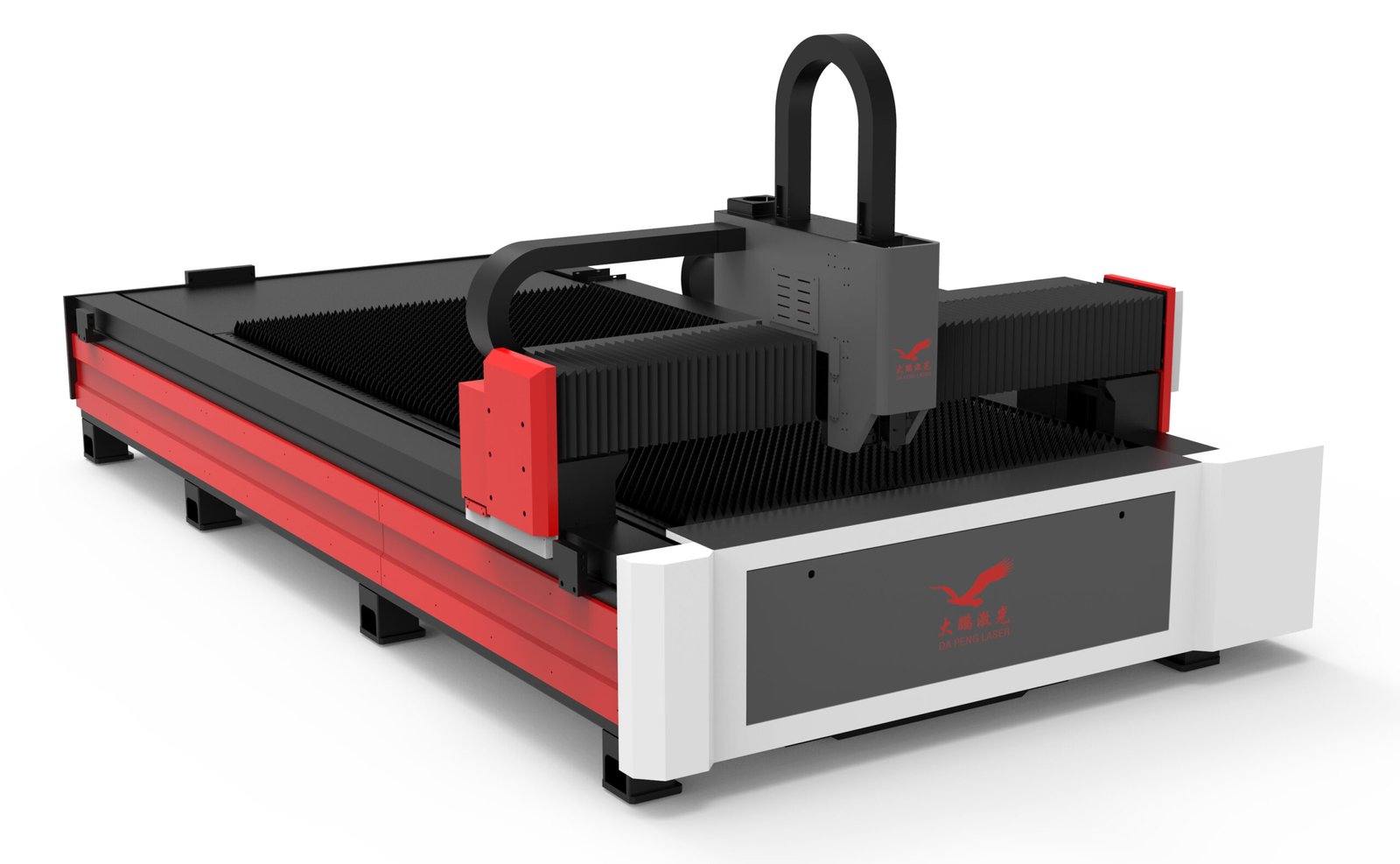
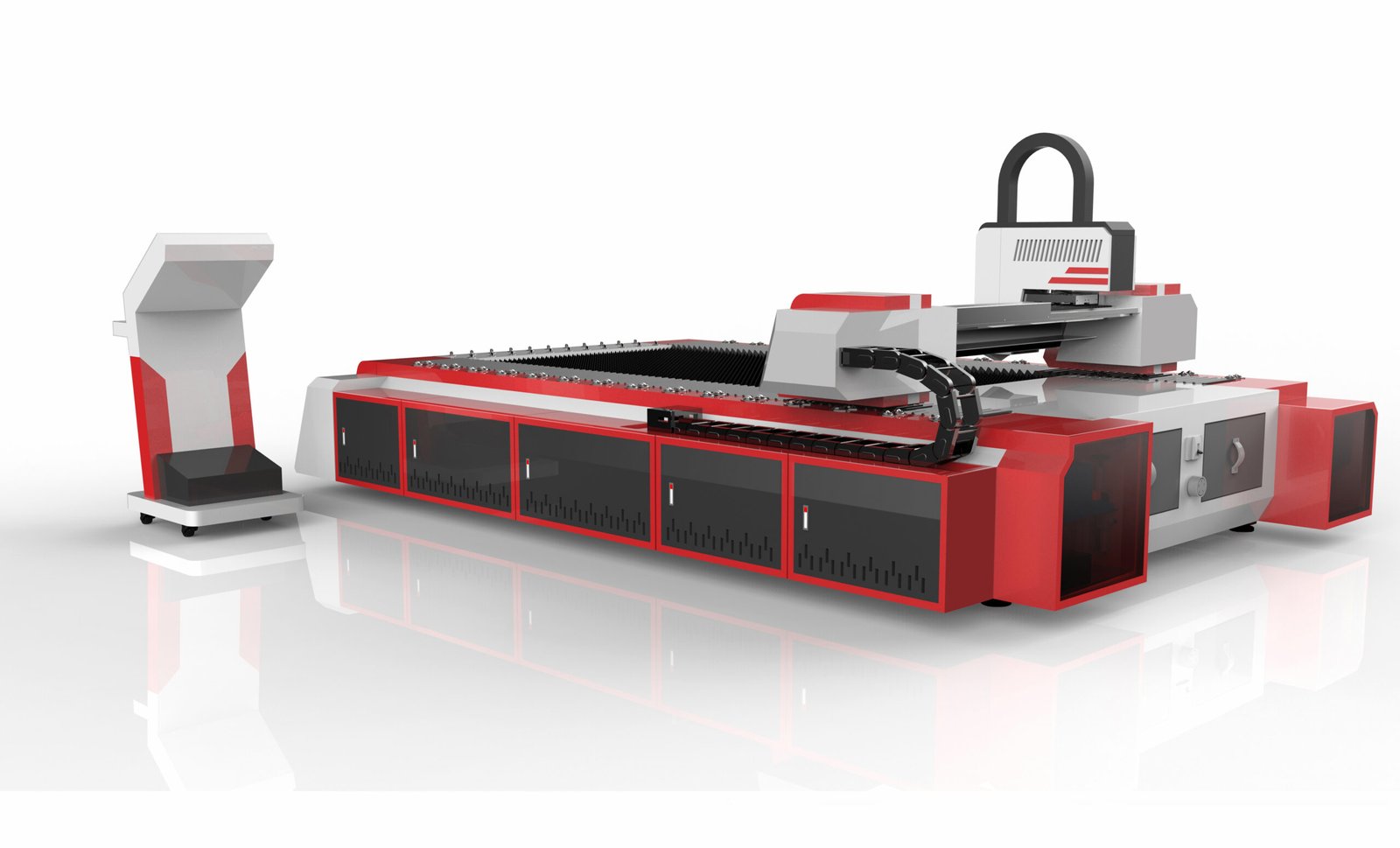
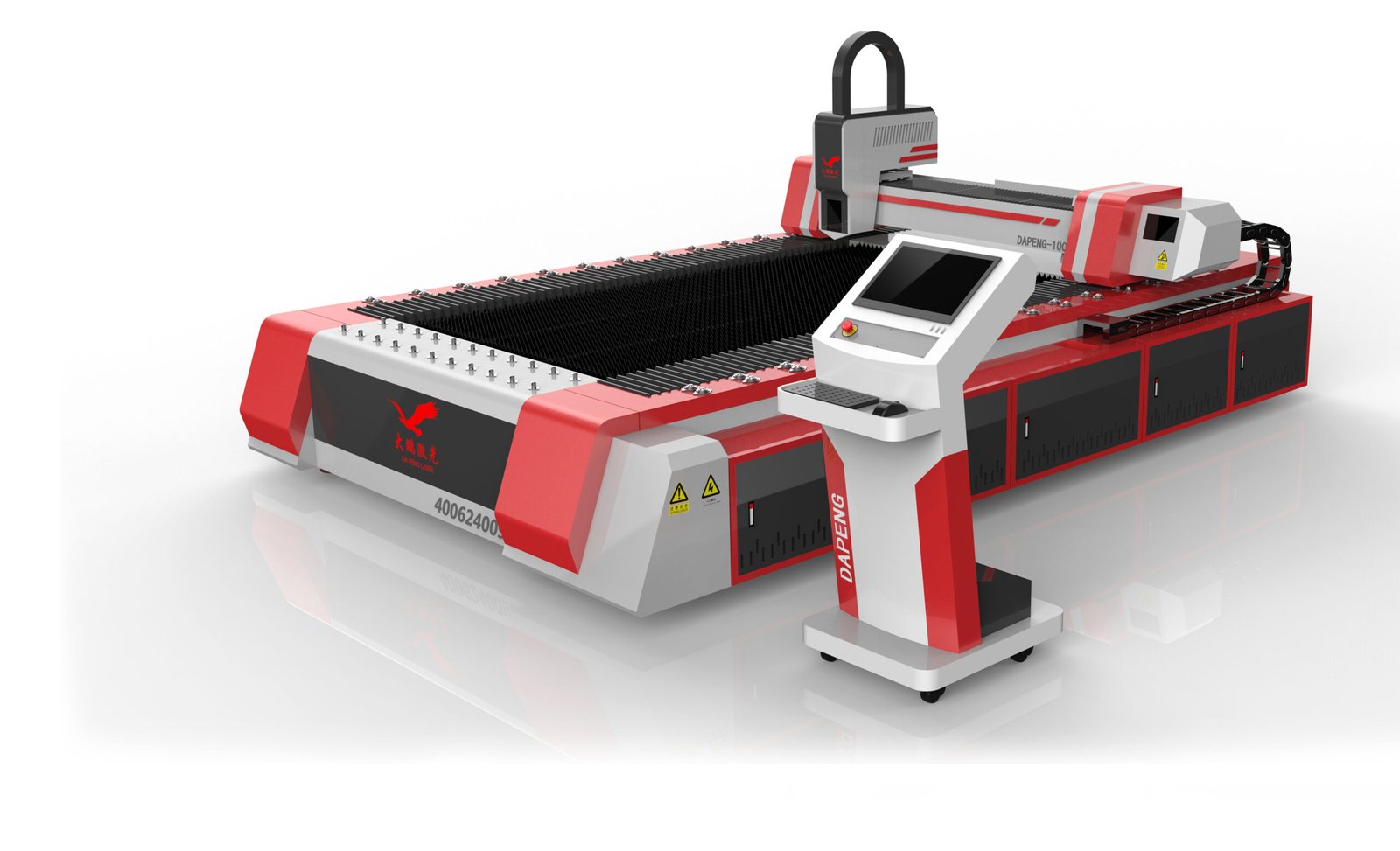
The single table fiber laser cutting machine can be integrated into a wide range of metal fabrication workflows, including:
- Sheet metal fabrication
- Electrical cabinets and enclosures
- HVAC components
- Metal furniture
- Hardware manufacturing
- Stainless steel products
- Advertising and signage
- Machinery components
- Decorative metal panels
- General industrial parts
After cutting, finished components can continue to bending, welding, grinding, coating
or assembly according to the customer's production process.
Why Choose a Single Table Fiber Laser Cutting Machine?
Compact Single-Table Structure
The single-worktable design is suitable for factories that want to control equipment footprint
and investment while maintaining flexible sheet metal cutting capability.
It is particularly useful where an exchange-table system would add unnecessary space,
cost or operational complexity.
Stable Machine Bed
The welded machine bed is designed to maintain structural stability during long-term cutting operations.
Manufacturing processes including stress-relief treatment and precision machining help improve dimensional stability
and support consistent motion accuracy over extended use.
Lightweight Aluminum Beam
The aluminum beam combines rigidity with lower moving mass, supporting responsive movement during high-speed cutting.
Its structure is designed to help maintain stable motion performance while reducing unnecessary load on the drive system.
Precision Cutting Head
The cutting head uses a protected internal optical structure designed for industrial metal cutting.
Features such as servo-controlled focusing and convenient protective-lens replacement help simplify daily operation and maintenance.
The final cutting-head configuration can be selected according to laser power and application requirements.
Suitable for Reflective Metal Processing
Depending on the selected laser source and cutting-head configuration, the system can be prepared
for materials with higher reflectivity.
Customers planning to process aluminum, brass or other reflective metals should provide
the exact material and thickness before configuration is confirmed.
Easier Maintenance
A modular equipment layout helps simplify inspection and component replacement.
For overseas customers and distributors, a machine that is easier to diagnose and maintain
can also reduce unnecessary service delays.
For practical maintenance recommendations covering the cutting head, chiller, assist gas system,
transmission components and other key parts, see our
fiber laser cutting machine maintenance checklist
.
Single Table or Double Worktable?
A single table machine is generally suitable when the priority is controlled investment,
smaller workshop footprint, flexible production and moderate production volume.
Controlled Investment
A single-table system can be a practical option for manufacturers entering fiber laser cutting
or expanding production with a defined equipment budget.
Smaller Workshop Footprint
The simpler worktable layout is suitable for workshops where available factory space
is an important consideration.
Flexible Production
Single-table machines are well suited to workshops processing different materials,
drawings and production batch sizes.
Moderate Production Volume
When continuous loading and unloading is not essential, a single working table can provide
a practical balance between productivity and equipment investment.
For factories with higher production volumes where reducing loading and unloading interruptions
is a major priority, our
double worktable laser cutting machine
provides an exchange-table structure that allows material handling and cutting operations to alternate more efficiently.
Customers requiring a more isolated cutting area can also evaluate the
dual worktable enclosed laser cutting machine
for production environments where enclosure, workshop management and higher-volume processing are important considerations.
Machine Structure
Heavy-Duty Machine Bed
The machine bed provides the structural foundation for stable cutting.
Its welded and machined construction is designed to reduce deformation and maintain alignment
during long-term operation.
Aluminum Gantry Beam
A lightweight and rigid beam supports efficient axis movement and helps maintain stable cutting performance
during repeated production.
Servo Motion System
The motion system coordinates the X, Y and Z axes through servo-driven control
to support accurate cutting paths and responsive machine movement.
Industrial Cutting Head
The cutting head is designed to protect internal optical components from the workshop environment
while allowing convenient inspection and maintenance of protective components.
CNC Cutting Control
The CNC system manages cutting paths, process parameters and machine movement according to
imported cutting drawings and nesting requirements.
Final control-system functions and brands depend on the selected machine configuration.
From Drawing to Finished Metal Parts
- Import Drawing:
Import compatible CAD or cutting files into the nesting and cutting software. - Load Metal Sheet:
Place the sheet securely on the single working table. - Set Cutting Parameters:
Configure laser power, cutting speed, focus position, assist gas and pressure according to the material. - Start Fiber Laser Cutting:
The CNC system controls the cutting head along the programmed path. - Remove Finished Parts:
After cutting is completed, remove finished components and scrap material from the worktable. - Continue Fabrication:
Parts can then proceed to bending, welding, grinding, coating or final assembly.
How to Choose the Right Fiber Laser Cutting Machine Configuration
Laser power alone should not determine machine selection.
Material type, normal production thickness, maximum thickness, sheet size,
daily operating time, required cutting speed and production volume should all be evaluated together.
Buyers and distributors comparing different equipment configurations can read our
fiber laser cutting machine configuration guide
for a more detailed explanation of laser power, worktable structure, cutting heads,
assist gas, workshop conditions and machine components.
Installation Requirements
Proper site preparation is important for stable machine operation.
Typical requirements include:
- Power Supply:
Three-phase industrial power. Voltage and frequency should be confirmed according to the destination country before production. - Compressed Air:
Dry and filtered compressed air is required when compressed air forms part of the cutting or pneumatic system. - Workshop Environment:
The installation area should be clean, ventilated and protected from excessive dust,
oil mist, strong vibration and electromagnetic interference. - Foundation:
A flat, dry and sufficiently strong concrete floor should be prepared for equipment installation. - Grounding:
Reliable independent grounding should be prepared according to electrical and machine installation requirements. - Assist Gas:
Oxygen, nitrogen or compressed air may be used depending on the material,
thickness, edge-quality requirement and cutting process.
Final utility requirements will be confirmed according to the ordered machine configuration.
Export and Installation Support
For overseas projects, MADE Laser can discuss machine configuration according to
the destination country's electrical conditions, application requirements and shipping needs.
Before shipment, customers should confirm material and thickness range, sheet size,
daily production requirement, local voltage and frequency, available assist gas,
workshop conditions and destination country.
Providing this information early helps reduce installation problems after the machine arrives.
After-Sales Support
MADE Laser provides technical support throughout equipment selection, installation and daily operation.
Support can include machine configuration consultation, installation guidance, commissioning support,
operator instruction, remote troubleshooting, spare-parts support and maintenance assistance.
Warranty conditions and included service scope should be confirmed in the final quotation and sales agreement.
Distributors and project buyers evaluating long-term manufacturing partners can also read our
fiber laser cutting machine supplier guide
to understand the technical, documentation and after-sales factors that should be compared before placing an order.
Frequently Asked Questions
What is a single table fiber laser cutting machine?
It is a CNC fiber laser cutting system with one fixed working platform for processing flat metal sheets.
It provides a simpler machine structure than an exchange-table system and is suitable for many
small and medium metal fabrication operations.
What metals can the machine cut?
Depending on configuration, it can process carbon steel, stainless steel, aluminum,
galvanized steel, brass and other compatible sheet metals.
What laser power should I choose?
Laser power should be selected according to the material, normal cutting thickness,
maximum thickness, required cutting speed and edge-quality expectations.
Instead of choosing power based only on wattage, send us representative cutting requirements
so that the machine can be configured around your actual production.
Is a single-table machine suitable for my factory?
It can be a good choice if you need flexible sheet metal cutting, have moderate production volume,
want to control equipment investment or do not require continuous exchange-table operation.
For higher-volume production, a double-worktable system may provide a more efficient loading workflow.
Can the machine cut aluminum?
Yes, suitable configurations can be used for aluminum processing.
Because aluminum is reflective, the laser source, cutting head, thickness and process requirements
should be confirmed before quotation.
What information is required for a quotation?
Please provide your material type, normal and maximum thickness, sheet dimensions,
daily production requirement, destination country and local voltage.
Photos, drawings or sample parts are also useful when available.
Do you provide overseas technical support?
Yes. Technical communication, installation guidance, troubleshooting and spare-parts support
can be provided according to the project and agreed service scope.
Get a Fiber Laser Cutting Machine Configuration
Choosing a laser cutting machine should start with the parts you need to produce,
not simply with a machine model or laser power.
Send MADE Laser your material, thickness, sheet size, production volume,
local voltage and destination country. Our team can evaluate the application
and recommend a suitable single table fiber laser cutting machine configuration.

