

A handheld laser welding machine can work very well on stainless steel, but that does not mean every model fits every job.
Some shops weld thin decorative stainless parts with high appearance requirements. Others run longer shifts on thicker parts and care more about stability than finish alone. The right machine depends on what you are actually making, how you weld it, and how the machine will be used day after day.
That is the point many quotations miss. A machine can look suitable on paper and still be the wrong fit once it reaches the shop floor.
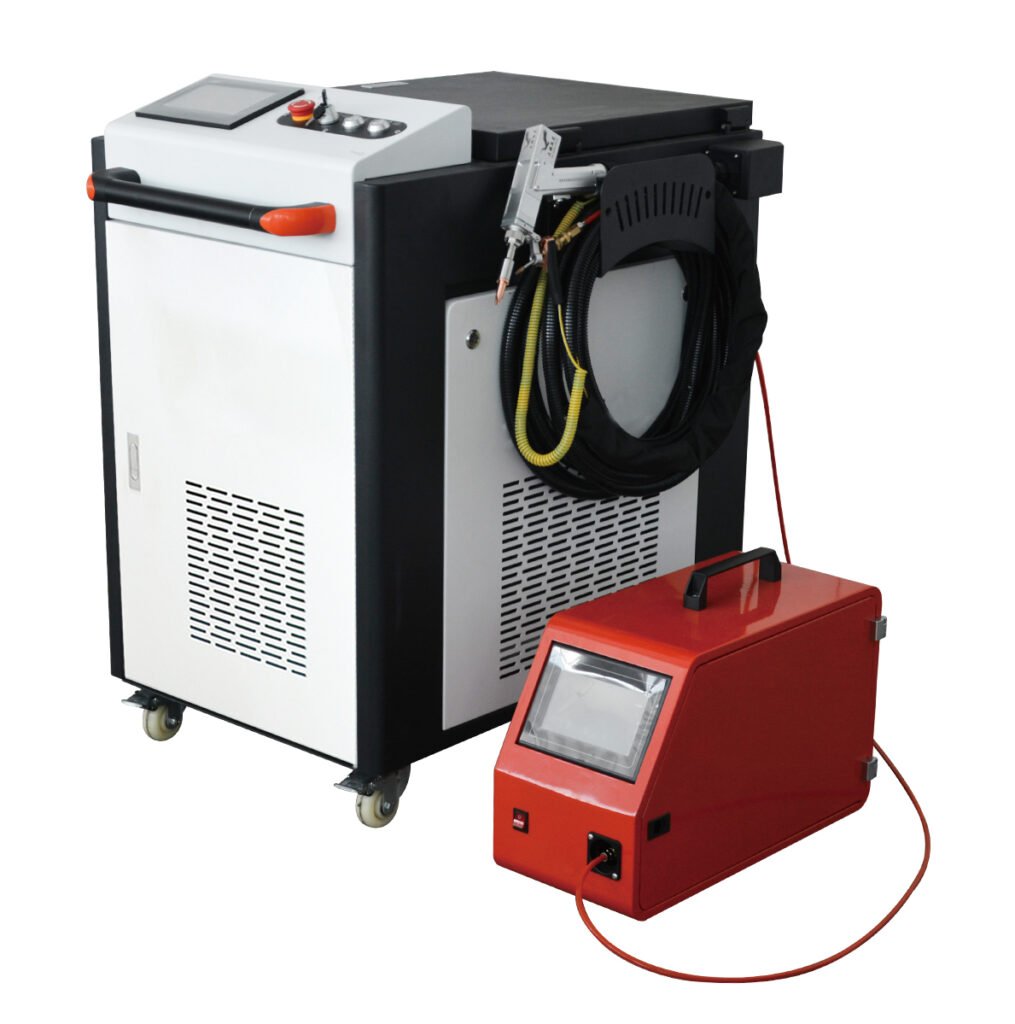
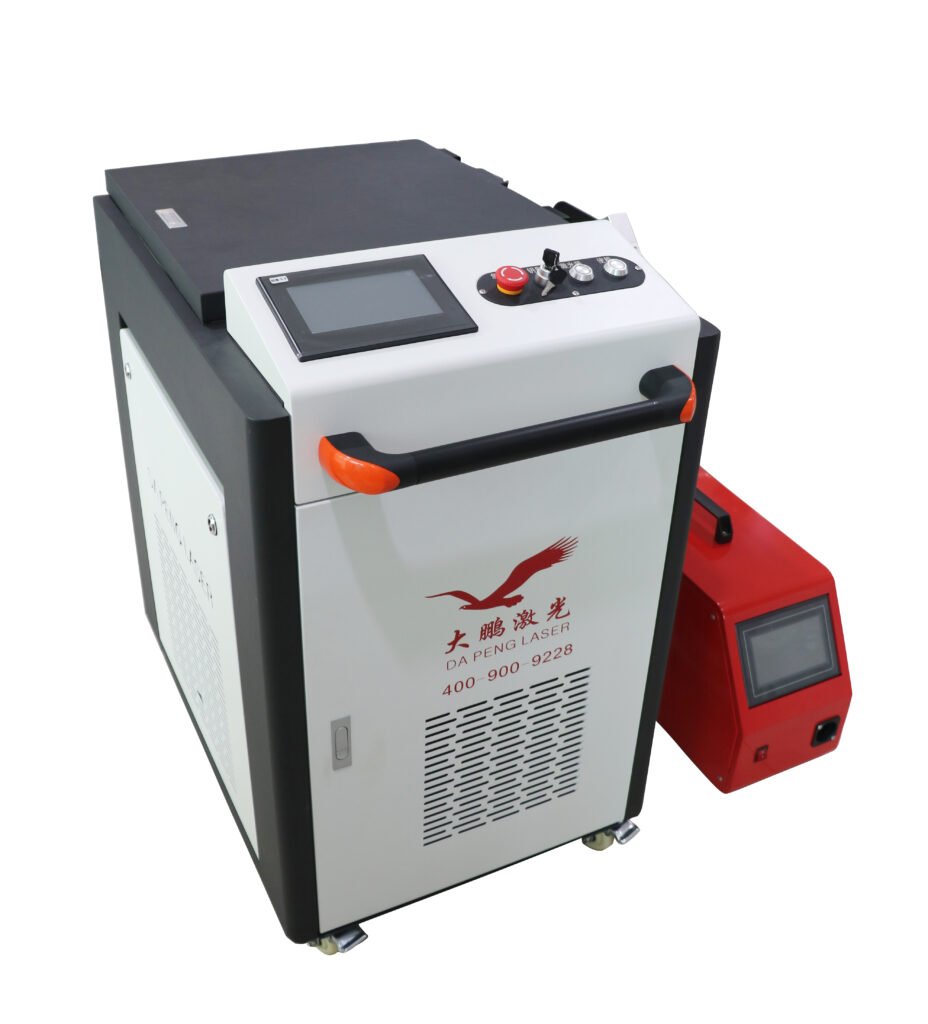
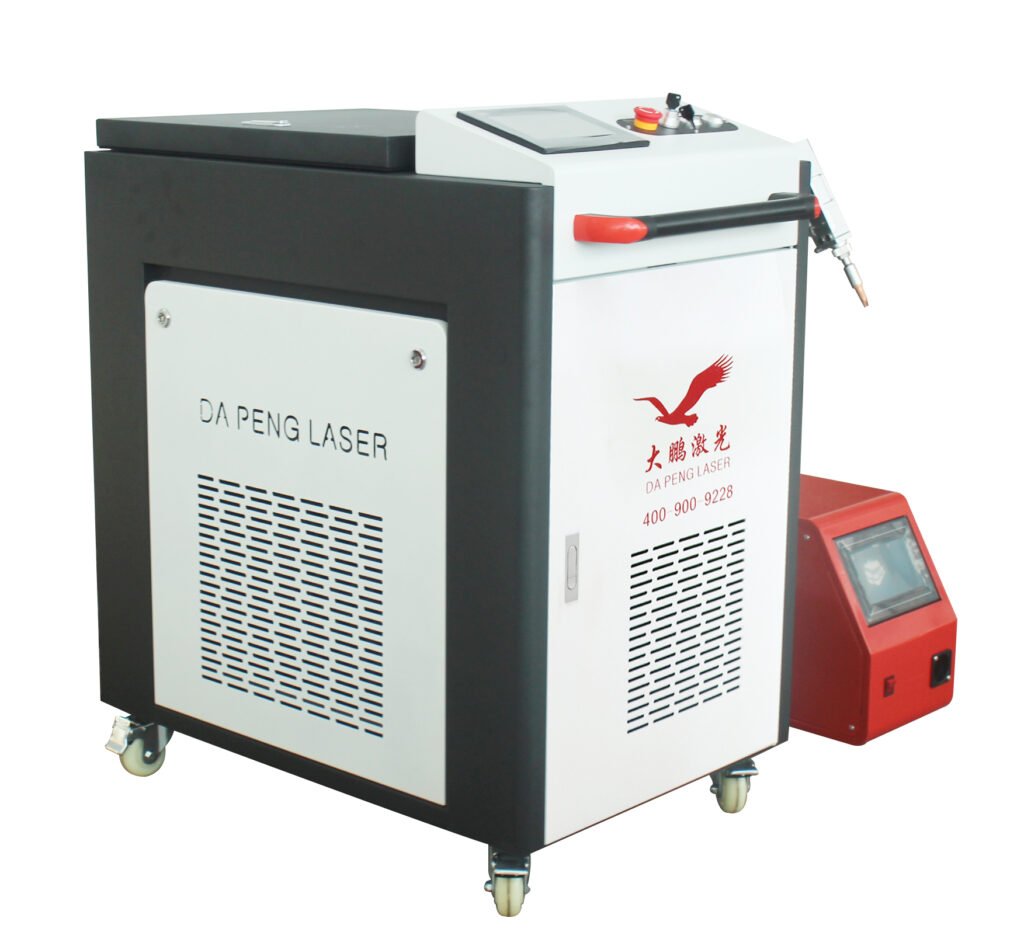
Start with the Product, Not the Machine
The first step is to look at the stainless steel product itself.
A shop making cabinets, enclosures, trim parts, kitchen components, or light furniture frames usually pays close attention to seam appearance, rework time, and how easy it is to keep the weld consistent across repeat jobs. A factory welding thicker stainless assemblies may care more about working time, penetration stability, and whether the setup can hold up under a heavier daily load.
Those are not small differences. They affect power choice, cooling structure, and whether options like wire feeding make sense.
So before comparing machine models, it is better to define the product range clearly. That usually answers half the selection question.
Thickness Is One of the First Filters
When buyers ask for a stainless steel laser welding machine, thickness is often still vague. That makes selection harder than it needs to be.
There is a real difference between welding thin stainless sheet for clean visible seams and handling thicker stainless parts in longer production runs. A 1000W, 1500W, or 2000W handheld laser welding machine may all sound possible at first, but the better choice depends on how the parts are actually welded.
It helps to look at thickness together with:
- joint type
- finish requirement
- working hours
- target welding speed
- whether filler wire will be used
- how repeatable the job is from part to part
Power alone does not answer the question. The application does.
Weld Type Changes the Recommendation
Two stainless steel jobs with the same thickness can still need different machine setups.
Butt welds, lap joints, corner welds, and fillet welds do not place the same demands on the process. Some products need a cleaner visible seam. Others are judged more on output and consistency than appearance alone. In some cases, wire feeding helps. In others, it adds little value.
That is why a short request for “handheld laser welding machine price” often leads to a broad offer instead of a useful one. The more clearly the weld form is described, the easier it is to narrow the right setup.
Air-Cooled or Water-Cooled
This is usually one of the first practical decisions.
An air-cooled handheld laser welder may be attractive when portability matters and the work is relatively light. The structure is simpler, and for some shops that is a real advantage.
A water-cooled handheld laser welding machine is often a better match when the machine is expected to run longer, handle heavier work, or stay in regular production use. It is less about convenience on day one and more about whether the machine suits the actual working rhythm.
A few basic questions usually make the choice clearer:
- How many hours will it run each day?
- Is the job mobile or mostly fixed-position?
- How demanding is the workshop environment?
- Is the priority portability or production continuity?
Once those points are clear, the cooling choice is usually much easier.
Shop Conditions Still Matter
A handheld laser welder is not selected in isolation. It becomes part of a real production setup.
Operator experience, fixture condition, part consistency, and daily workflow all affect results. The same machine can perform very differently depending on how stable the job is and how repeatable the parts are.
That is one reason some shops see immediate value in handheld laser welding for stainless steel, while others need a more careful evaluation. Faster welding is only part of the picture. Standardized output and reduced finishing time are often just as important.
Do Not Ignore Service and Consumables
Machine selection often gets too focused on power and too little on long-term use.
Before placing an order, it is worth checking:
- protective lenses
- nozzles
- wire feeder parts if included
- recommended spare consumables
- remote support
- training arrangement
- spare parts lead time
For overseas buyers especially, these details matter. The machine price is only one part of the decision. What happens after delivery matters just as much.
What to Send Before Asking for a Recommendation
A useful quotation usually starts with a useful inquiry.
If you want a supplier to recommend the right handheld fiber laser welding machine for stainless steel products, it helps to provide:
- material type
- thickness range
- weld type
- product photos or drawings
- whether filler wire is needed
- expected daily working time
- local voltage
- destination country
That gives the supplier something real to work from. Otherwise, the recommendation tends to stay general.
Conclusion
Choosing a handheld laser welding machine for stainless steel products is not just a matter of picking 1000W, 1500W, or 2000W from a list.
The better starting point is the work itself: material thickness, weld form, cooling needs, and daily workload. Once those are clear, the machine choice becomes much more practical.
If you are sourcing a handheld laser welding machine for stainless steel cabinets, sheet metal parts, kitchen products, or metal furniture components, send your material, thickness, weld type, and daily output requirements. That makes it easier to recommend a suitable model and prepare a more accurate quotation.
FAQ
What stainless steel thickness can a handheld laser welding machine handle?
That depends on machine power, weld form, joint condition, and actual production requirements. Thickness should be evaluated together with the application, not as a single number.
Is wire feeder necessary for stainless steel laser welding?
Not in every case. It depends on joint gap, weld requirement, and whether filler material is needed for the job.
Is an air-cooled handheld laser welder suitable for stainless steel work?
It can be, especially for lighter work or where portability matters. For longer daily use or heavier workloads, a water-cooled model may be the better choice.
What information should be sent before asking for a quotation?
Material type, thickness range, weld type, working hours, voltage, and product photos or drawings are usually the most useful starting points.
Is a handheld laser welding machine suitable for thin stainless steel sheet?
Yes. Thin stainless steel sheet is one of the most common application areas, especially where cleaner seams and less post-weld finishing are important.