

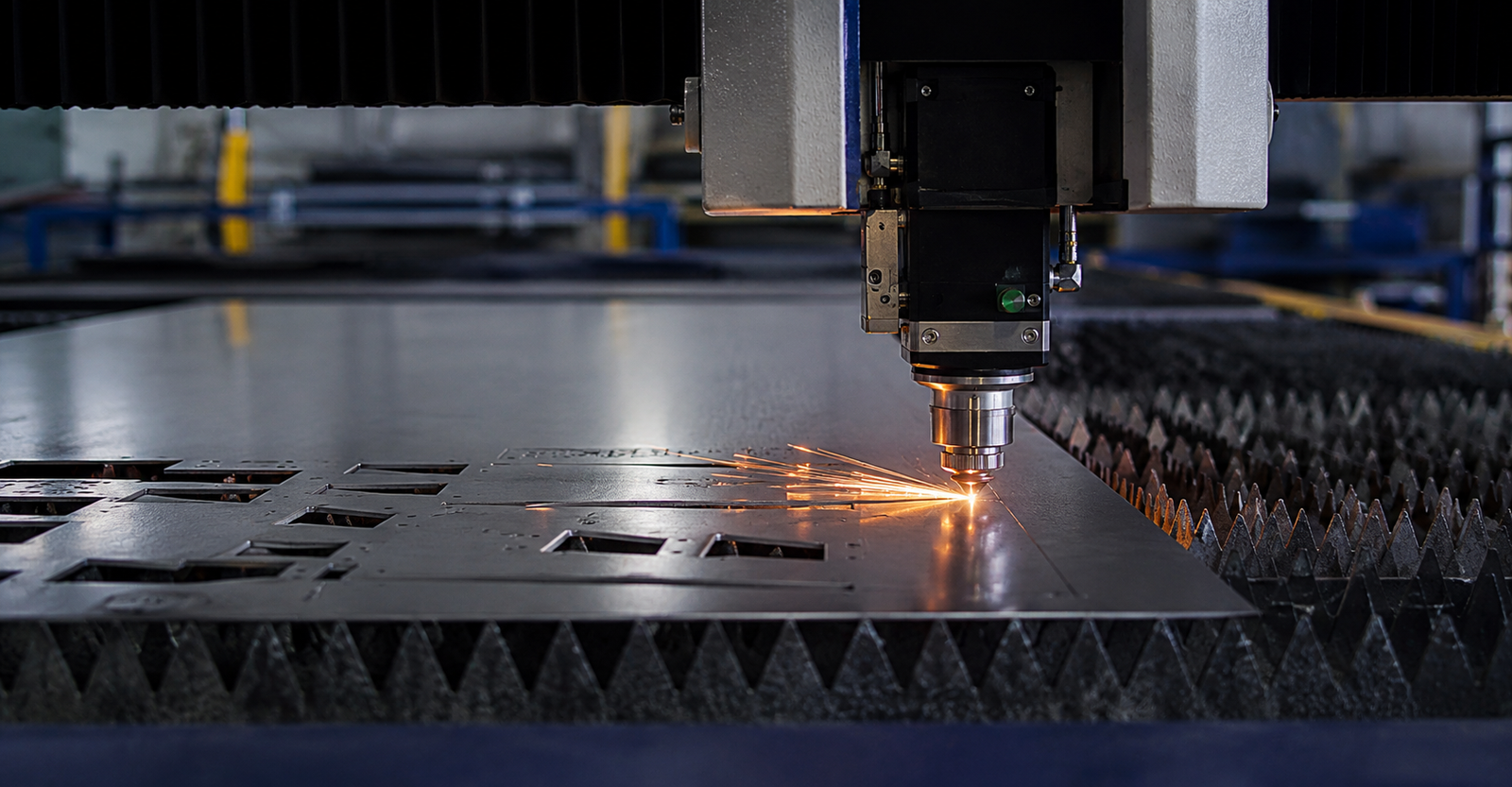
For an equipment distributor, choosing a fiber laser cutting machine supplier is not simply a matter of comparing machine prices. The supplier must also help you build a product range that is easy to explain, sell, install and support in your local market.
A competitive quotation may help secure the first order, but product reliability, spare-parts availability, technical communication and after-sales support determine whether a distributor can develop repeat business. This guide explains the main points equipment dealers should evaluate before importing or representing a fiber laser cutting machine brand.
Distributors who are currently reviewing available machine configurations can first explore the complete
fiber laser cutting machine range
from MADE Laser.
Why Distributors Need More Than a Low Machine Price
End users normally ask their local distributor practical questions: Which laser power should they choose? Can the machine cut their specific material? Which consumables should they keep in stock? Who will provide installation guidance when the machine arrives?
Therefore, a suitable fiber laser cutting machine manufacturer should provide more than a basic price list. The supplier should be able to explain machine differences, confirm application requirements and help the distributor prepare a complete commercial and technical proposal.
Before entering a dealership or long-term supply relationship, distributors should evaluate five areas:
- Product range and market positioning
- Machine configuration and cutting performance
- Technical training and troubleshooting support
- Spare-parts and consumables availability
- Export, documentation and dealer communication
Build a Product Line for Different Customer Budgets
A distributor is more competitive when the product range covers different production levels rather than relying on one machine configuration for every customer.
Single Table Machines for Entry-Level Buyers
A
single table fiber laser cutting machine
is generally suitable for small and medium-sized workshops, contract cutting businesses and customers purchasing their first laser cutter.
Its relatively compact layout and straightforward loading process make it easier for distributors to introduce to buyers with controlled investment budgets, limited factory space or varied small-batch orders.
Double Worktable Machines for Growing Factories
A
double worktable laser cutting machine
allows operators to load and unload one table while the other table is used for cutting. This arrangement can reduce waiting time between sheets and improve equipment utilization in continuous production.
These machines are often easier to position for established sheet-metal factories, electrical cabinet manufacturers, metal furniture producers and processing companies with increasing order volumes.
Enclosed Machines for Higher-Level Projects
Customers with stricter workshop management, dust-control or operator-protection requirements may prefer a
dual worktable enclosed laser cutting machine
.
The enclosed structure separates the cutting area from operators, while the exchange-table system supports a more continuous loading and cutting workflow. This type of equipment can help distributors compete for larger industrial projects and customers requiring a more complete production solution.
| Machine Type | Typical Customer | Main Sales Position |
|---|---|---|
| Single Table | Small workshops and first-time buyers | Compact and practical investment |
| Double Worktable | Growing sheet-metal factories | Reduced loading downtime |
| Enclosed Double Worktable | Industrial manufacturers and larger projects | Productivity with enclosed protection |
Dealers who need a more detailed comparison can read:
Single Table vs Double Worktable Fiber Laser Cutting Machine
.
Seven Points Distributors Should Verify
1. Is the Machine Configuration Clearly Defined?
Avoid comparing quotations based only on laser power. Two machines with the same rated power may use different laser sources, cutting heads, servo systems, reducers, control software, chillers and electrical components.
Request a written configuration sheet that clearly lists:
- Laser source brand and rated power
- Cutting head model
- Control system and nesting software
- Servo motors and drive system
- Chiller and electrical components
- Machine bed and beam structure
- Included accessories and consumables
A transparent configuration sheet allows the distributor to explain price differences and prevents misunderstandings after the order is confirmed.
2. Can the Supplier Provide Real Cutting Tests?
Brochures alone cannot prove whether a machine is suitable for a specific application. Ask the supplier to perform a cutting test using material that matches the customer’s actual requirements.
Each test should identify the material type, material thickness, assist gas, laser power and cutting result. Close-up photographs, an unedited cutting video and physical samples provide stronger evidence than general promotional claims.
Distributors can also use these samples and videos during local customer demonstrations, exhibitions and sales meetings.
3. Are Spare Parts Easy to Identify and Replace?
After-sales efficiency depends heavily on component standardization. Before placing an order, request a recommended spare-parts list covering protective lenses, nozzles, ceramic rings, filters, electrical components and other regularly replaced items.
The supplier should clearly explain which parts are consumables, which parts are included under warranty and which components should be stocked locally by the distributor.
4. Can the Machine Be Adapted to the Local Market?
Electrical standards, voltage, frequency, plugs, safety requirements and factory conditions vary by country. A machine intended for export should be configured according to the destination market before production.
Distributors should confirm:
- Local voltage and frequency
- Electrical cabinet configuration
- Required language for the operating system
- Machine dimensions and installation space
- Compressed-air and gas requirements
- Packing dimensions and container-loading plan
- Documentation required by the destination country
5. What Technical Training Is Available?
A distributor may need to answer installation, parameter-setting and maintenance questions after the machine reaches the customer. Therefore, technical training should be discussed before the first order, not after a problem occurs.
Ask whether the supplier can provide operating manuals, wiring diagrams, maintenance videos, software guidance, remote commissioning and troubleshooting support. Confirm the normal response process and identify the technical contact responsible for overseas projects.
6. Does the Supplier Support Dealer Sales Activities?
Technical equipment is easier to sell when the distributor receives clear and reusable sales materials. Useful resources may include product photographs, machine videos, technical data sheets, cutting samples, application references and editable promotional materials.
Dealers should also discuss whether machine appearance, nameplates, software language or documentation can be adapted for OEM or local-brand projects. All branding and exclusivity conditions should be confirmed in writing.
7. Are Warranty Terms Specific?
A warranty should define more than its duration. It should explain which components are covered, which items are treated as consumables, how replacement parts are shipped and which party is responsible for local labor or travel expenses.
Before purchasing, distributors should ask for a written warranty policy and a clear after-sales procedure. A detailed policy is more useful than a general promise of “lifetime service.”
For additional technical evaluation points, review:
five critical factors to verify when choosing an industrial fiber laser cutting machine
.
Distributor Supplier Evaluation Checklist
| Evaluation Item | Documents or Evidence to Request |
|---|---|
| Machine configuration | Detailed component and accessory list |
| Cutting capability | Material-specific cutting video and samples |
| Quality inspection | Pre-shipment testing records and machine photos |
| Installation | Site preparation and utility requirements |
| Technical support | Training plan and troubleshooting procedure |
| Spare parts | Consumables list, prices and delivery lead time |
| Warranty | Written coverage and exclusion terms |
| Export preparation | Packing list, machine dimensions and shipping plan |
| Dealer cooperation | OEM, branding and market-support conditions |
What Information Should a Distributor Send for a Quotation?
A detailed inquiry allows the manufacturer to recommend a more suitable configuration and prepare a useful quotation. Instead of requesting only a general price, provide:
- Destination country and target sales market
- Typical customer industries
- Main materials to be cut
- Minimum and maximum material thickness
- Required sheet size
- Preferred single-table, exchange-table or enclosed structure
- Local voltage and frequency
- Expected annual purchasing quantity
- OEM, private-label or dealership requirements
- Required delivery term and destination port
This information helps both parties discuss product positioning, configuration, logistics and technical support before the first machine is ordered.
Discuss Your Local Fiber Laser Cutting Machine Market
MADE Laser supplies laser marking, cutting and welding equipment for manufacturers, workshops, project buyers and distributors. Its cutting machine range includes single-table, double-worktable and enclosed configurations for different production requirements.
Learn more about the company and available equipment on the
MADE Laser company page
.
Looking for a Fiber Laser Cutting Machine Supplier?
Send us your target market, customer industries, material range, cutting thickness, required sheet size, local voltage and expected order quantity. Our team will discuss suitable machine configurations and prepare a distributor-oriented quotation.
Frequently Asked Questions
Can a distributor start with one fiber laser cutting machine model?
Yes. Many distributors begin with a practical single-table or double-worktable model that matches the main requirements of their local customers. The product range can be expanded as local demand becomes clearer.
What should be included in a dealer quotation?
The quotation should clearly identify the machine model, working area, laser power, core components, accessories, consumables, warranty, delivery time, packing method and applicable trade terms.
Should distributors keep spare parts locally?
Keeping commonly used consumables and selected replacement parts locally can reduce customer downtime. The exact inventory should be determined according to the installed machine models and supplier recommendations.
How can a distributor verify cutting performance?
Request a cutting test using the customer’s actual material type and thickness. Ask for an unedited cutting video, detailed parameters and physical samples when possible.
What information is needed for an OEM laser cutting machine project?
Provide the target market, expected quantity, branding requirements, preferred machine appearance, documentation language, voltage, required certifications and after-sales responsibilities.